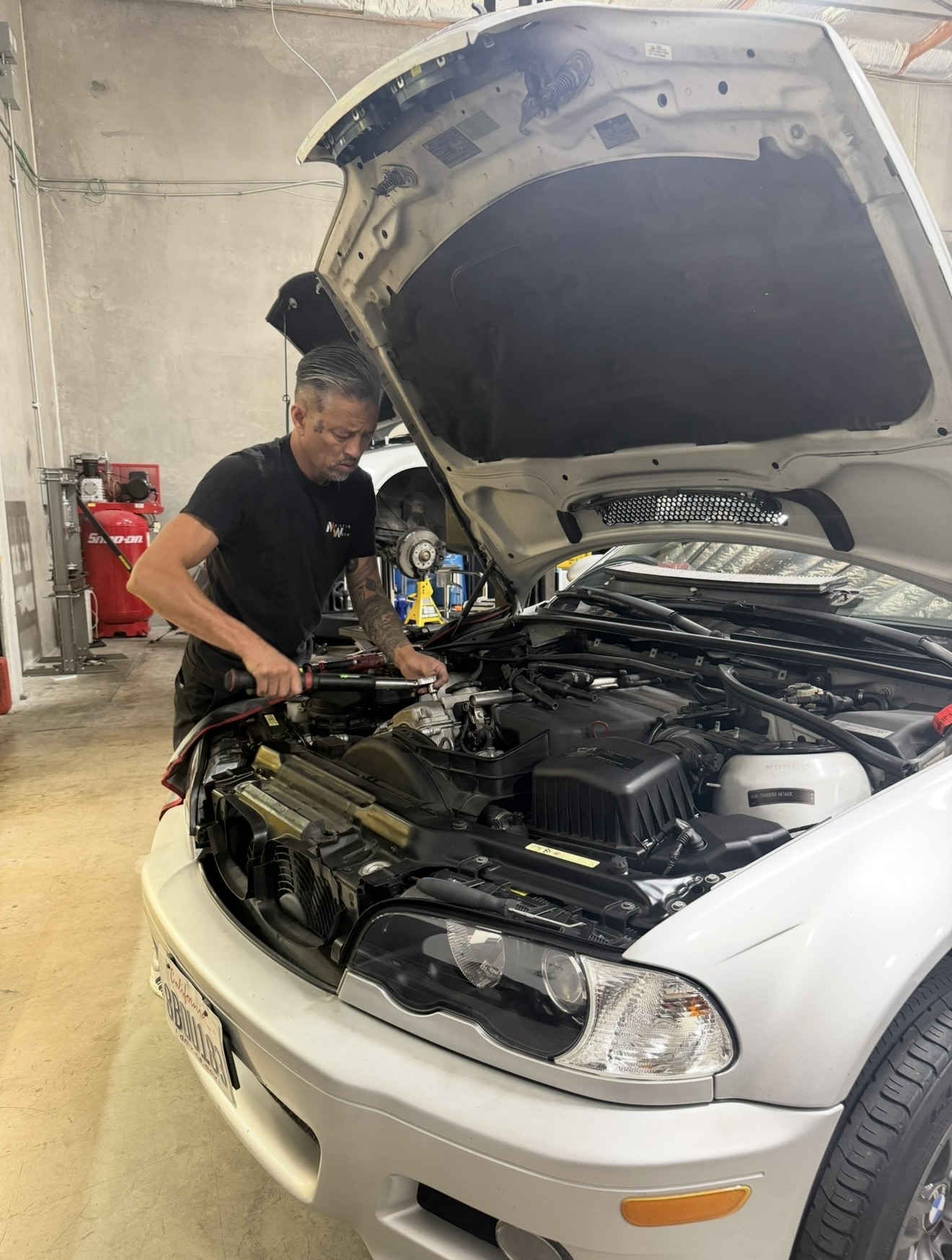
BMW Spark Plugs: Essential Maintenance Tips
BMW Maintenance, Spark Plugs, Engine Performance, Ignition System, Car Diagnostics, Worn Spark Plugs
Spark Plugs: The Small Part That Causes Big Problems in Your BMW
Spark plugs are tiny, inexpensive components, yet they sit at the heart of engine performance. For BMW owners in particular, overlooking spark plug health can quietly erode power, fuel economy, and reliability long before a warning light appears. Understanding what spark plugs do, why BMWs are more sensitive to them, and how to spot worn plugs is one of the smartest steps you can take in long-term BMW maintenance.
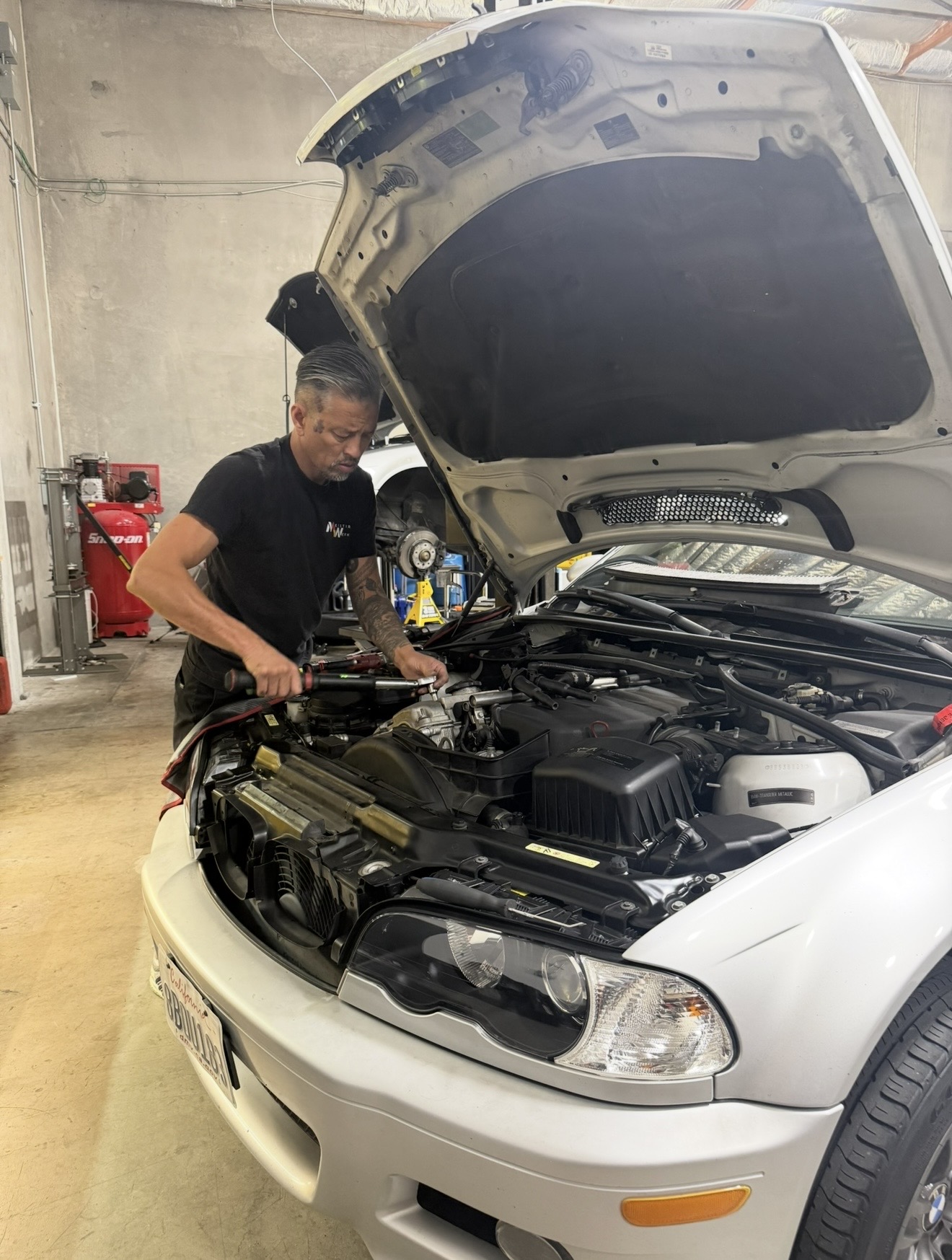
What Spark Plugs Actually Do in Your BMW Engine
Every time you start your BMW and press the accelerator, thousands of tiny lightning bolts are firing inside the engine. Those lightning bolts are the electrical sparks created by your Spark Plugs, and they are what ignite the air–fuel mixture in each cylinder. Without them, the engine simply will not run.
Here is what a spark plug actually does, step by step, as part of the Ignition System:
The engine control unit (ECU) decides the precise moment each cylinder should fire based on throttle input, engine speed, load, and temperature.
An ignition coil transforms the battery’s 12 volts into tens of thousands of volts and sends that energy to the spark plug.
The spark plug channels this high voltage through its center electrode, creating a spark that jumps the gap to the ground electrode at exactly the right moment.
That spark ignites the carefully mixed air and fuel, causing a controlled explosion that pushes the piston down and generates power.
This process happens dozens of times per second in each cylinder. Over thousands of miles, the electrodes slowly wear, the gap widens, and deposits build up. Even a slightly weakened spark can affect Engine Performance, especially in a finely tuned engine like a BMW’s. That is why spark plugs sit at the intersection of power, smoothness, and fuel efficiency—and why they are such a critical part of routine BMW Maintenance.
Why BMWs Are More Particular About Spark Plugs
Many drivers are used to the idea that “a spark plug is a spark plug.” With BMWs, that is simply not true. These cars are engineered with tight tolerances, advanced fuel injection, and highly precise ignition timing. All of this makes them more particular about the exact spark plug design, material, and heat range they use. Here are the main reasons BMWs tend to be picky about plugs:
1. High Compression and Turbocharged Engines
Modern BMW engines, especially the turbocharged four- and six-cylinder units, operate under high combustion pressures. That environment demands a strong, consistent spark and a plug that can handle extreme temperatures. Using the wrong type of plug or an incorrect heat range can lead to pre-ignition, misfires, or even internal engine damage over time. BMW calibrates the ignition system around specific plug characteristics, so deviating from those specs can quickly disturb the balance.
2. Precise Engine Management and Sensitive Diagnostics
BMW’s engine control units constantly monitor combustion quality through sensors and misfire detection algorithms. When a spark plug is slightly out of spec—wrong gap, incorrect resistance, or poor-quality materials—the ECU can detect irregular combustion. That often shows up as misfire codes, rough running, or a check engine light. What might be “good enough” in a simpler engine can trigger Car Diagnostics warnings in a BMW because the system expects a very specific spark behavior from genuine or OEM-spec plugs.
3. Direct Injection and Combustion Chamber Design
Many newer BMWs use direct fuel injection, where fuel is sprayed directly into the combustion chamber at high pressure. In these engines, the position of the spark plug, the shape of its tip, and even how far the electrode protrudes into the chamber all influence how the fuel–air mixture ignites. BMW engineers design the plug and combustion chamber as a system. A generic plug with a slightly different design can cause incomplete combustion, higher emissions, and subtle but noticeable losses in power and smoothness.
4. Performance Expectations from BMW Owners
Finally, there is the human factor. BMW drivers expect a certain level of refinement: immediate throttle response, smooth idle, and strong mid-range pull. Even minor ignition issues that might go unnoticed in an economy car are obvious in a BMW. That is why small deviations in spark quality, timing, or consistency stand out so clearly in these vehicles and why staying on top of BMW Maintenance matters so much.
📌 Key Takeaway: BMW engines are engineered around very specific spark plug designs. Using the wrong type—or letting them wear too far—can upset the careful balance of power, efficiency, and smoothness.
The Typical Lifespan of Iridium and Platinum-Tipped Spark Plugs
Most modern BMWs use long-life spark plugs with iridium or platinum-tipped electrodes. These precious metals are chosen because they resist wear and heat far better than traditional copper plugs. That translates into longer service intervals and more stable Engine Performance over time—but not indefinite life. Even the best plug is still a wear item.
Typical Service Intervals by Material
Platinum-tipped spark plugs: Often rated around 60,000 to 80,000 miles under normal driving conditions. Some BMW service schedules fall in this range, depending on model and engine family.
Iridium spark plugs: Generally considered the most durable, with typical lifespans of 80,000 to 100,000 miles. Many newer BMWs equipped with iridium plugs are scheduled for replacement around this mileage.
These numbers are broad guidelines. Real-world lifespan depends heavily on driving style and conditions. Short trips, frequent cold starts, stop-and-go traffic, heavy loads, or aggressive driving can all shorten the life of even high-quality iridium plugs. Engines that burn a little oil or run rich can also foul plugs sooner, reducing their effective life long before the official interval is reached.
💡 Pro Tip: Treat the factory interval as a maximum, not a guarantee. If you notice any signs of Worn Spark Plugs before that mileage—rough idle, hesitation, or misfires—it is wise to inspect or replace them early.
Why Genuine BMW or OEM-Spec Spark Plugs Matter
When it is time for new plugs, you will find plenty of options: cheap aftermarket brands, “universal” plugs, and premium plugs with impressive marketing claims. For a BMW, the safest and most reliable choice is always genuine BMW spark plugs or OEM-spec plugs made by the same manufacturers that supply BMW from the factory (often Bosch or NGK, depending on the engine).
1. Correct Heat Range and Design
Spark plugs must operate within a specific temperature window. Too hot, and they can cause pre-ignition; too cold, and they foul with deposits. BMW engineers specify a particular heat range, electrode shape, and reach (how far the plug extends into the combustion chamber) for each engine. Genuine or OEM-spec plugs meet these exact requirements. Many generic plugs, even if they physically fit, may run slightly hotter or colder, leading to long-term reliability issues and subtle performance problems.
2. Consistent Quality and Materials
OEM-spec plugs use the correct grade of iridium or platinum on the tips, high-quality ceramic insulators, and precise manufacturing tolerances. This consistency matters when your ignition system is firing thousands of times per minute. Inconsistent materials or sloppy tolerances can show up as random misfires, poor cold starts, or uneven idle. Genuine BMW or OEM-spec plugs are built to match the original performance the engine was designed around, which is exactly what you want from a maintenance part this critical.
3. Compatibility with BMW Ignition Coils and ECU Mapping
BMW ignition coils and ECUs are calibrated to work with specific plug resistance and electrode characteristics. Mixing in a different design can stress the coils, leading to premature failure, or confuse the ECU’s misfire detection system. In the worst cases, this can trigger persistent check engine lights or limp-home modes that require professional Car Diagnostics to sort out. Sticking with the plug type BMW intended significantly reduces the risk of these headaches.
4. Peace of Mind for Long-Term Ownership
Spark plugs are not a frequent service item, especially with iridium or platinum-tipped designs. Saving a small amount of money on a cheaper alternative every 60,000 to 100,000 miles rarely makes sense when you consider the potential downsides: reduced Engine Performance, misfires, or costly ignition coil replacements. Genuine BMW or OEM-spec plugs offer peace of mind that this crucial part of your Ignition System is exactly as the engineers intended.
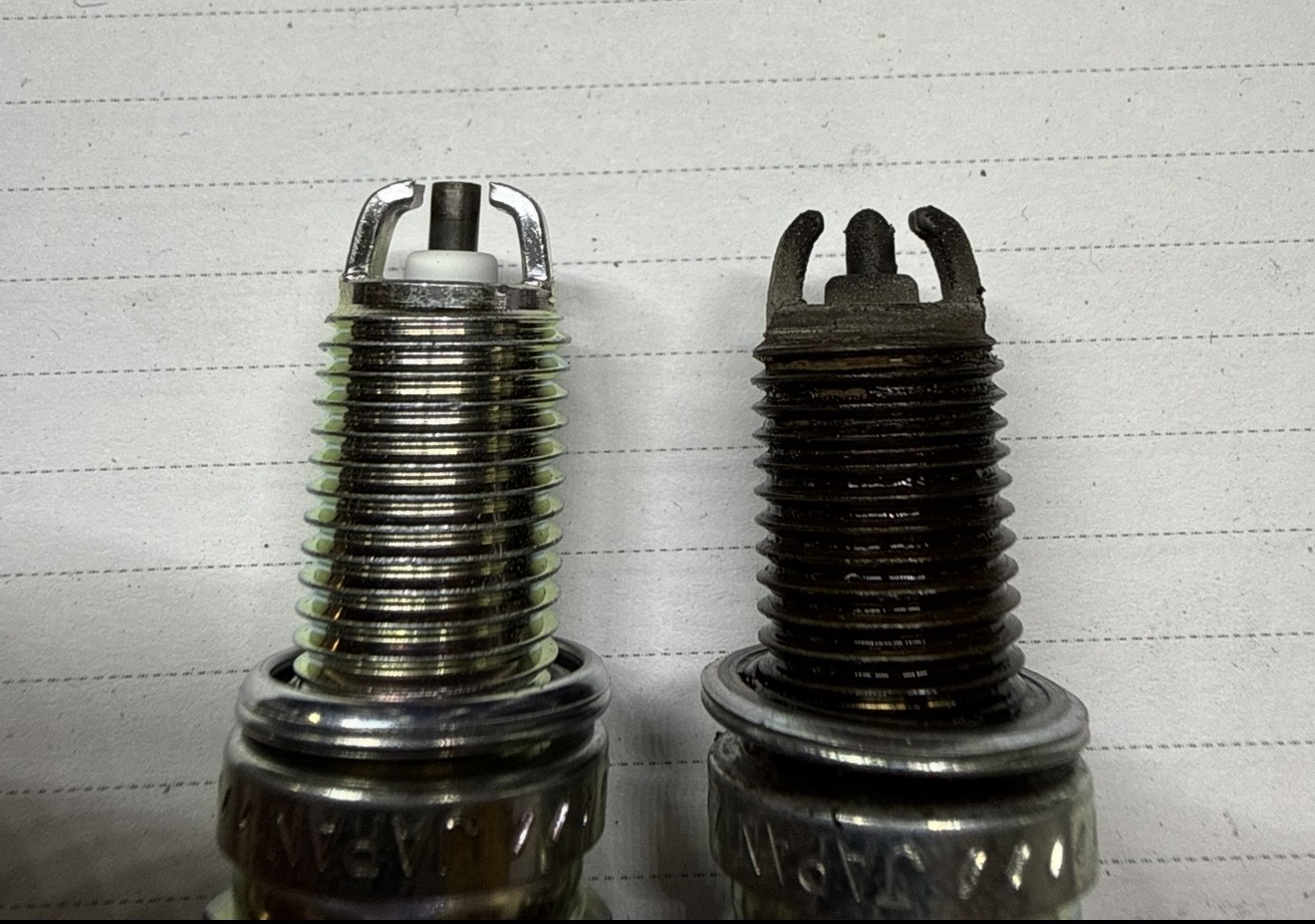
Using OEM-spec plugs keeps BMW ignition systems reliable well beyond factory warranty.
How to Tell When Your BMW’s Spark Plugs Are Overdue
Because spark plugs wear gradually, many drivers do not notice the decline until it becomes severe. By that point, you may already be dealing with misfires, poor fuel economy, or even damage to the catalytic converter. The key is to recognize early warning signs and combine them with mileage-based planning as part of your regular BMW Maintenance routine.
1. Mileage and Service History
The first clue is simple: how many miles are on your current set of plugs? If you are driving a BMW with iridium or platinum-tipped plugs and you are approaching 60,000 to 80,000 miles without documentation of a plug change, they are likely due. If you are closer to 80,000 to 100,000 miles, they are almost certainly overdue, even if the engine still feels “okay.” Checking your service records or speaking with a trusted technician can confirm when they were last replaced.
2. Subtle Changes in Engine Behavior
Long before a check engine light appears, you may notice small changes in how the car drives. These are classic early signs of Worn Spark Plugs:
A slightly rougher idle than you remember when the car was newer, especially when cold.
Hesitation or a brief stumble when you accelerate from a stop or low speed.
A small but noticeable drop in fuel economy over time, even though your driving habits have not changed.
These symptoms can be subtle, but if they coincide with higher mileage on the plugs, they are strong indicators that a fresh set is overdue.
3. Warning Lights and Diagnostic Codes
When spark plugs become badly worn, BMW’s sensitive engine management system will usually let you know. Common signs include:
A flashing or solid check engine light, often accompanied by noticeable misfires or shaking.
Stored misfire codes when you scan the car with a Car Diagnostics tool, usually pointing to specific cylinders.
Reduced power mode (sometimes called limp mode) in more severe cases, where the car limits performance to protect the engine and catalytic converter.
While ignition coils or fuel issues can also cause misfire codes, spark plugs are often the most cost-effective first step, especially if they are near or beyond their expected lifespan. Many BMW technicians will inspect or replace plugs as part of their misfire diagnosis, knowing how frequently Worn Spark Plugs are the underlying cause.
4. Visual Inspection of Removed Plugs
If you or your technician removes the spark plugs, their appearance can tell a detailed story about the engine’s health and whether they are overdue. Healthy plugs typically show light tan or gray deposits on the insulator tip and minimal electrode wear. Overdue or problematic plugs may show:
Heavy black soot (indicating a rich mixture or poor combustion).
Oily deposits (suggesting oil consumption or valve seal issues).
Cracked insulators or eroded electrodes (clear signs of age and heat stress).
Even if the engine is still running, plugs that look like this are overdue for replacement and may be masking deeper issues that deserve further inspection.
Signs Worn Spark Plugs Are Hurting Your Engine Performance
Because spark plugs are central to the combustion process, worn or incorrect plugs can affect nearly every aspect of how your BMW feels and responds. Recognizing these symptoms early can save you from more expensive repairs and restore the sharp, refined driving experience you expect.
1. Rough Idle and Engine Vibration
A smooth, almost imperceptible idle is one of the hallmarks of a healthy BMW engine. When spark plugs begin to fail, that smoothness is often the first casualty. You may feel:
A gentle but persistent vibration through the steering wheel or seat when stopped at a light.
Fluctuating idle speed, with the tachometer needle moving slightly up and down.
These are classic signs that one or more cylinders are not firing as cleanly or consistently as they should, often due to Worn Spark Plugs or weak ignition coils.
2. Hesitation, Misfires, and Loss of Power
Under acceleration, especially when merging or passing, worn plugs may struggle to ignite the denser air–fuel mixture in a turbocharged BMW engine. You might notice:
A brief pause or “flat spot” when you press the accelerator, followed by a surge as the engine catches up.
Occasional jerks or stumbles, especially under heavy load or at higher RPMs.
These symptoms indicate misfires—combustion events that fail or only partially complete. Over time, repeated misfires can damage the catalytic converter and reduce overall Engine Performance significantly.
3. Increased Fuel Consumption and Emissions
When spark plugs do not fully ignite the air–fuel mixture, the engine compensates by adding more fuel or adjusting timing to maintain power. The result is often:
Noticeably lower miles per gallon compared to what you used to see on similar trips.
A stronger fuel smell from the exhaust, especially at idle or after cold starts.
Over time, this incomplete combustion also contributes to carbon buildup in the intake and on valves, further degrading Engine Performance and making future Car Diagnostics more complicated.
4. Hard Starts and Cold-Weather Problems
Starting an engine in cold weather is one of the toughest tests for the ignition system. Battery voltage is lower, oil is thicker, and fuel vaporizes less easily. Worn Spark Plugs can turn a marginal situation into a frustrating one. Symptoms include:
Longer cranking times before the engine fires up, especially on cold mornings.
Rough running immediately after startup, sometimes accompanied by a temporary check engine light.
Fresh, correctly gapped iridium or platinum-tipped plugs can make a dramatic difference in cold-start behavior, restoring the confident, quick starts you expect from a well-maintained BMW.
Integrating Spark Plugs into a Smart BMW Maintenance Plan
Treating spark plugs as a core part of your BMW’s maintenance plan—rather than as an afterthought—can prevent many common drivability complaints and protect expensive components downstream in the exhaust and ignition system. Here is how to build them into your long-term strategy for reliable Engine Performance and trouble-free ownership.
1. Follow (and Slightly Beat) the Factory Interval
Check your owner’s manual or trusted BMW service resources for the recommended spark plug interval for your specific engine. Then, plan to replace them slightly earlier—perhaps 10–15% before the listed mileage—especially if you drive in harsh conditions or push the car hard. This proactive approach keeps you ahead of Worn Spark Plugs and minimizes the risk of misfires or drivability issues appearing between services.
2. Always Use Genuine BMW or Proven OEM-Spec Plugs
Whether you service your BMW at a dealership, an independent specialist, or in your own garage, insist on genuine BMW spark plugs or OEM-spec equivalents from the correct manufacturer and part number. Confirm that the plugs match your engine code, year, and any performance modifications. This single decision eliminates a huge number of potential ignition-related headaches and ensures that your Ignition System is built on a solid foundation.
3. Pair Plug Replacement with Coil and Boot Inspection
When the plugs are out, it is the perfect time to inspect the ignition coils and rubber boots for cracks, carbon tracking, or oil contamination. Many BMW misfire issues are a combination of aging plugs and marginal coils. Addressing both together, when needed, can restore like-new Engine Performance and reduce repeated trips for Car Diagnostics on the same problem.
4. Use Spark Plug Condition as a Diagnostic Tool
Each time your plugs are changed, ask to see the old ones or inspect them yourself. Differences between cylinders—such as one plug that is much darker, oilier, or more worn than the others—can provide early clues about developing issues like injector problems, valve guide wear, or coolant leaks. In this way, spark plugs become more than just a service item; they are an inexpensive window into the health of your engine’s combustion process.
Final Thoughts: Small Parts, Big Protection for Your BMW
Spark plugs may be small and out of sight, but they sit at the center of everything your BMW engine does. They ignite the fuel that creates power, influence how smoothly the engine runs, and play a key role in emissions and fuel economy. In a brand that prides itself on driving dynamics and refinement, neglecting these small parts can have outsized consequences: rough idle, hesitation, increased fuel consumption, and even damage to expensive components like catalytic converters and ignition coils.
By understanding what spark plugs actually do, recognizing why BMWs are more particular about them, and learning how to tell when they are overdue, you put yourself in a far stronger position as an owner. Combine this knowledge with the importance of using genuine BMW or OEM-spec plugs and a clear sense of the typical lifespan of iridium or platinum-tipped plugs, and you have a powerful toolkit for protecting your investment. Paying attention to the signs of worn plugs affecting engine performance—from rough idle to misfires and poor fuel economy—turns routine BMW Maintenance into proactive care rather than reactive repair.
In the end, replacing spark plugs on time with the right parts is one of the simplest, most cost-effective ways to keep your BMW delivering the performance, efficiency, and driving pleasure it was built for. When it comes to spark plugs, that small part really can prevent some very big problems.