
BMW Maintenance: Essential Tips for Cost-Effective Care
BMW Maintenance, BMW Service, Preventive Care, Ownership Tips
Owning a BMW Isn’t Complicated — But Ignoring Maintenance Will Cost You
BMWs have a reputation for performance, luxury, and engineering precision. They also carry a reputation for being “high maintenance” — expensive, finicky, and demanding. The truth is more balanced: owning a BMW isn’t complicated when you respect maintenance. What becomes complicated and costly is ignoring the specific care your car needs based on how you actually drive it. With the right BMW maintenance routine, tailored BMW service, and a trusted BMW repair specialist, you can avoid big repair bills, enjoy better performance, and protect your car’s resale value.

Why Proper BMW Maintenance Matters More Than You Think
BMWs are engineered to a higher standard than the average commuter car. That precision is what gives you sharp handling, smooth power delivery, and a cabin that still feels solid after years of use. But the same engineering that makes a BMW feel special also means maintenance is not optional. It’s part of the ownership experience, just like gasoline and insurance.
Proper BMW maintenance does three critical things:
Protects expensive components like turbochargers, transmissions, cooling systems, and suspension parts from premature wear and failure.
Preserves performance and driving feel so your BMW continues to accelerate, handle, and brake the way it did when you fell in love with it.
Supports long-term reliability and resale value, making the car easier to live with now and easier to sell later.
Skipping or stretching service might feel harmless in the short term, but BMWs are less forgiving than many mass-market cars. Oil that’s slightly overdue, coolant that’s a few years too old, or small leaks that go unchecked can quickly snowball into four-figure repairs. Proper maintenance is not just a box to tick; it is your best insurance against surprise costs.
Tailored BMW Service: Your Driving Style Changes Everything
One of the most overlooked BMW ownership tips is that not all BMWs live the same life. A 3 Series that spends its days on the highway with gentle cruising does not need the exact same service schedule as an M car that sees aggressive backroad runs or track days. Likewise, a weekend-only BMW that sits for long stretches has its own unique needs. Maintenance isn’t one-size-fits-all; it should be tailored to how you actually drive.
💡 Ownership Tip: When you book BMW service, always describe your typical driving style and mileage. A good BMW repair specialist will adjust recommendations based on how, not just how far, you drive.
Hard Driving: Performance Comes with Responsibility
If you enjoy your BMW the way many owners do — strong acceleration, spirited cornering, maybe even occasional track days — you’re in the “hard driving” category. BMWs are built for this, but hard driving accelerates wear on key systems. That doesn’t mean you should baby the car; it means you need a more proactive maintenance mindset.
What Hard Driving Does to Your BMW
Engine oil breaks down faster under high RPM, frequent boost, and elevated temperatures, especially in turbocharged models.
Brakes and tires wear more quickly due to aggressive braking and cornering loads.
Suspension components such as bushings, control arms, and shocks experience higher stress and can loosen or wear prematurely.
Cooling systems work harder to manage heat, making leaks, weak hoses, or aging thermostats more risky.
Hard-Driving Maintenance Strategy
For performance-oriented owners, BMW maintenance should be more frequent and more thorough than the basic on-screen reminder suggests. A BMW repair specialist will typically recommend:
Shorter oil change intervals, often between 5,000–7,500 miles (or once a year) using high-quality, BMW-approved synthetic oil, especially for turbocharged engines and M models.
Frequent brake inspections to check pad thickness, rotor condition, and brake fluid, with fluid changes every 2 years or sooner if the car sees track use.
Regular alignment checks and suspension inspections to keep handling sharp and prevent uneven tire wear.
Cooling system preventive maintenance — monitoring water pumps, radiators, expansion tanks, and hoses before they fail, not after.
💡 Ownership Tip: If you track your BMW, treat each track season as a reason for a full inspection: oil, brakes, suspension, and fluids. This preventive maintenance costs far less than an engine or transmission replacement.
Light Driving: Low Miles Doesn’t Mean No Maintenance
Many BMW owners fall into the “light driving” category: short commutes, mostly city use, or relatively low annual mileage. It’s easy to assume the car needs less attention because the odometer climbs slowly. In reality, time is just as important as mileage for BMW service, especially with modern materials and fluids.
How Light Driving Affects Your BMW
Short trips often mean the engine doesn’t fully warm up, which can cause moisture and fuel dilution in the oil, reducing its protective qualities faster than highway driving would.
Stop-and-go city traffic wears brakes and automatic transmissions differently than steady cruising, even if mileage remains low.
Rubber components — seals, hoses, belts, bushings — age with time regardless of mileage, especially in harsh climates.
Light-Driving Maintenance Strategy
For light-use BMWs, the key is to respect time-based service intervals and not wait for the car to tell you something is wrong. A BMW repair specialist will typically suggest:
Annual oil changes, even if you’ve driven only a few thousand miles, to clear out moisture and contaminants from short trips.
Brake inspections every year since city driving and infrequent use can cause rust buildup on rotors and uneven pad wear.
Coolant, brake fluid, and other fluids changed based on age (every 2–4 years, depending on the system), not just mileage.
Battery and charging system checks, because cars that sit for long periods between short trips are more prone to battery issues.
💡 Ownership Tip: Don’t let “low miles” lull you into skipping service. A lightly driven BMW with consistent maintenance is far more reliable — and more valuable — than a low-mileage car with a spotty history.
Weekend Use and Garage Queens: When Sitting Becomes the Problem
Some BMWs live a pampered life: they’re driven mostly on weekends, stored in a garage, and treated as special-occasion cars. That sounds ideal, but occasional use comes with its own maintenance challenges. Cars are meant to be driven; long periods of inactivity can quietly create issues that show up later as expensive repairs.
What Happens When Your BMW Sits Too Much
Tires can flat-spot, leading to vibrations and uneven wear when you finally drive the car again.
Seals may dry out and start leaking, especially around the engine, transmission, and differential.
Fuel can degrade, and moisture can accumulate in the tank and exhaust system, particularly in humid climates.
Batteries discharge, and repeated deep discharges shorten battery life and can trigger electrical gremlins.
Weekend-Use Maintenance Strategy
For weekend and occasional-use BMWs, preventive maintenance is about keeping the car “alive” even when it’s not on the road often. A BMW repair specialist will often recommend:
Driving the car at least once a month for 20–30 minutes, allowing it to reach full operating temperature and circulate fluids properly.
Using a quality battery maintainer if the car will sit for weeks at a time, to avoid deep discharges and no-start situations.
Maintaining annual service intervals for oil and inspections, even with very low mileage, to catch age-related issues early.
Checking tires and rubber components for cracking, dry rot, or flat spots, especially before long trips.
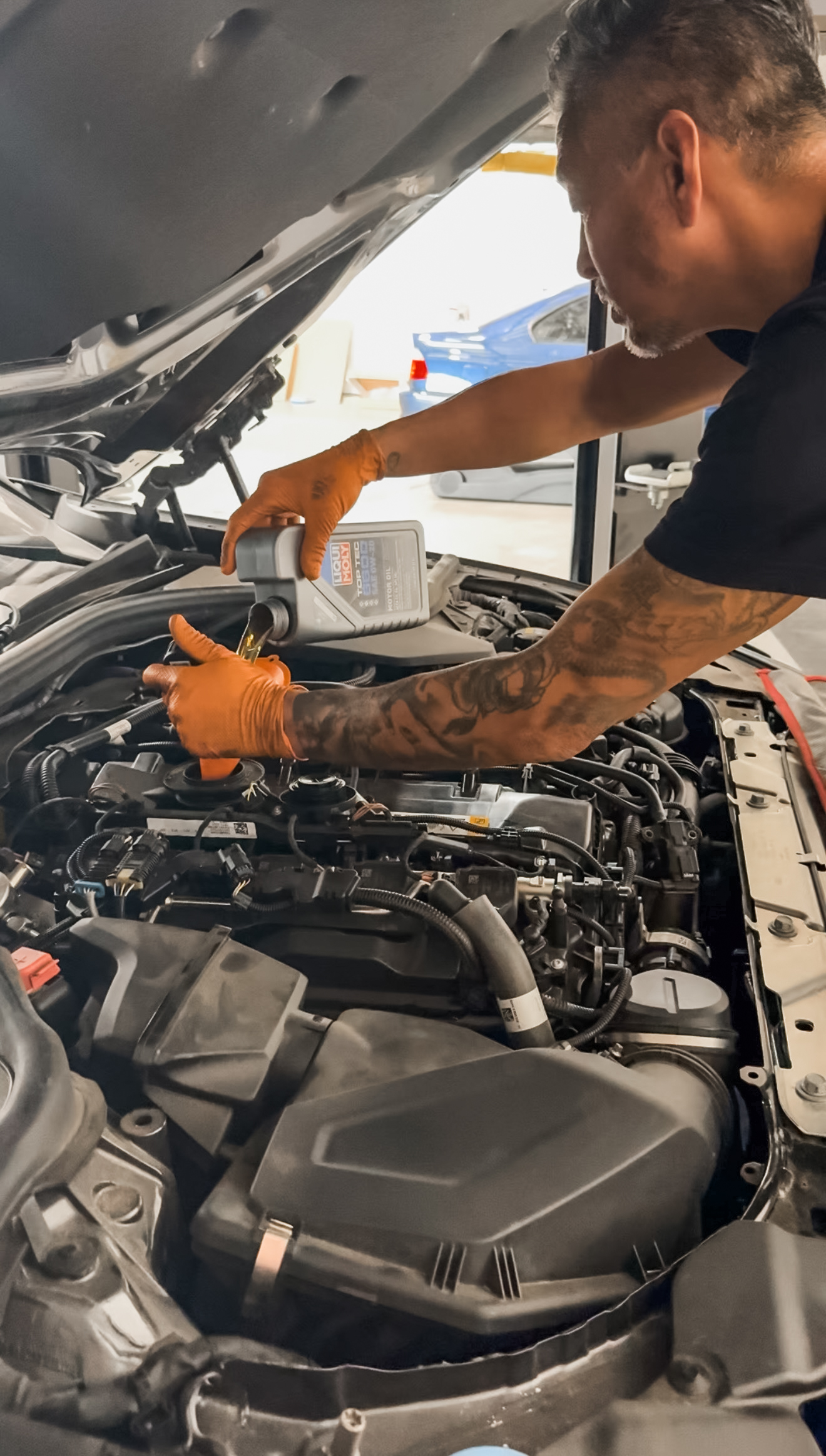
Detailed maintenance records reassure buyers your BMW was cared for by experts.
The High Maintenance Myth: Is BMW Ownership Really That Expensive?
You’ve probably heard it: “BMWs are money pits.” This high maintenance myth often comes from owners who bought a neglected car, skipped maintenance, or relied on generic repair shops unfamiliar with BMW engineering. When you look at BMWs that receive consistent, quality service, a different story emerges: they can be remarkably durable and cost-effective over the long term.
Yes, parts and labor for German luxury cars cost more than for economy cars. But the biggest factor in total cost of ownership is not the brand; it’s how the car is maintained. Owners who:
Follow a thoughtful maintenance schedule,
Use a BMW repair specialist instead of a generic shop,
Address small issues before they become big problems,
often report that their BMWs are reliable daily companions well past 100,000 miles. The myth usually belongs to cars that were driven hard, maintained poorly, and repaired cheaply.
📌 Key Takeaway: BMWs aren’t inherently “high maintenance.” Poor or infrequent maintenance is high-cost. Quality preventive maintenance is cost control.
Why Maintenance Frequency and Quality Matter So Much
Two BMW owners can spend the same amount on service over five years and have completely different outcomes. The difference often comes down to maintenance frequency and quality. Doing the right things at the right time — and doing them well — is what keeps ownership straightforward instead of stressful.
Frequency: Not Too Little, Not Too Late
Extended oil intervals, ignored warning lights, and “I’ll get to it later” thinking are what turn manageable wear into catastrophic failure. A BMW repair specialist will help you set realistic intervals that reflect your driving style, climate, and model. In general:
Oil changes should be more frequent than the most optimistic factory interval, especially on older or turbocharged engines.
Annual inspections catch leaks, worn mounts, and failing sensors before they cause secondary damage.
Time-based services — like brake fluid and coolant — should not be skipped just because mileage is low.
Quality: Parts, Fluids, and Expertise
Equally important is how the work is done. Cheap parts, incorrect fluids, and rushed labor can undermine even a well-timed service schedule. BMWs are sensitive to fluid specifications, torque values, and software updates. A BMW repair specialist understands:
Which oils, coolants, and transmission fluids meet BMW standards for your model and year.
Common weak points on specific engines and chassis, and how to address them proactively rather than reactively.
Proper diagnostic procedures using BMW-specific tools, which prevents unnecessary parts swapping and misdiagnosis.
💡 Ownership Tip: Ask your shop which fluids and parts they use. “Meets or exceeds BMW specifications” should be the standard, not the exception.
The Value of a BMW Repair Specialist for Preventive Maintenance
Any mechanic can change oil or replace brake pads, but not every shop understands BMWs. A BMW repair specialist brings brand-specific training, tools, and experience that directly impacts reliability, cost, and peace of mind. This is especially important for preventive maintenance, where the goal is to prevent failures rather than react to them.
How Specialists Help You Avoid Costly Repairs
Because they see the same models and engines over and over, BMW specialists recognize patterns that general shops might miss. They know, for example, which generations are prone to oil leaks, cooling system issues, timing component wear, or electronic glitches. This allows them to:
Recommend replacing a known-weak plastic coolant component before it cracks and overheats the engine.
Spot early signs of valve cover or oil filter housing leaks that could contaminate belts or other components if ignored.
Update software or reprogram modules when needed to fix drivability issues without unnecessary parts replacement.
This proactive approach to BMW service is what truly avoids costly repairs. Spending a few hundred dollars now on targeted preventive work can save you thousands later on catastrophic failures.
How Specialized Service Ensures Quality Care
Specialized BMW service centers invest in factory-level diagnostic tools, technical training, and repair information. That means:
Accurate diagnostics instead of guesswork, reducing the risk of paying for parts you don’t actually need.
Correct repair procedures that respect BMW torque specs, bleeding procedures, and coding requirements.
Access to quality parts — OEM or high-quality aftermarket — chosen specifically for BMW applications.
📌 Key Takeaway: A BMW repair specialist isn’t a luxury; it’s a strategy. Their expertise turns maintenance into protection rather than a series of expensive surprises.
Maintenance Records: Your Secret Weapon for Resale Value
When the time comes to sell or trade your BMW, maintenance records become as important as mileage. Buyers know that a poorly maintained BMW can be a financial headache. They are willing to pay more — and decide faster — when they see clear evidence that the car has been cared for by professionals.
Why Records Matter So Much
Trust and transparency: Service invoices and digital records show exactly what’s been done, when, and by whom, easing fears about hidden problems.
Proof of preventive maintenance: Buyers can see that major services (like cooling system overhauls or timing work) have already been handled, reducing their future costs.
Justification for a higher price: A well-documented BMW serviced by a specialist often commands a premium over similar cars with unknown histories.
How to Build a Strong Maintenance History
Improving resale value starts the day you buy the car. Whether new or used, commit to:
Using a consistent BMW repair specialist so your records tell a clear, continuous story of professional care.
Saving all invoices and digital reports, even for small jobs like oil changes and inspections.
Documenting mileage and dates for each service so buyers can see there were no long gaps in care.
💡 Ownership Tip: When you list your BMW for sale, mention “full service history” and highlight that work was done by a BMW specialist. It’s one of the strongest selling points you can offer.
Practical BMW Ownership Tips for Stress-Free Driving
To bring it all together, here are practical BMW ownership tips that apply whether you drive hard, light, or only on weekends:
Know your driving style and be honest about it with your BMW repair specialist. They can tailor a maintenance plan that fits your reality, not just the factory average.
Respect time and mileage. Follow annual service intervals even with low miles, and shorten intervals if you drive aggressively or in extreme conditions.
Address warning lights quickly. Modern BMWs are good at telling you when something is wrong. Ignoring those messages rarely ends well.
Choose expertise over the cheapest quote. A slightly higher labor rate at a specialist can save you money by avoiding misdiagnosis and repeat repairs.
Keep your records organized. A simple folder or digital scan of every invoice makes life easier for you and more reassuring for the next owner.
Final Thoughts: Maintenance Is the Key to Enjoyable BMW Ownership
Owning a BMW should be enjoyable, not intimidating. The car you drive is capable, refined, and rewarding — but only if you give it the care it was designed to receive. When you:
Take BMW maintenance seriously,
Tailor BMW service to your actual driving style, whether hard, light, or weekend-only,
Partner with a BMW repair specialist for preventive maintenance,
you transform ownership from reactive and expensive to predictable, enjoyable, and financially sensible. The high maintenance myth fades when you see how long a well-cared-for BMW can last — and how strong its resale value can be — compared to neglected examples.
In the end, owning a BMW isn’t complicated at all. Ignoring maintenance is. Respect the engineering, invest in quality service, and your BMW will repay you with years of confident, rewarding driving — and a strong return when it’s time to move on to the next one.