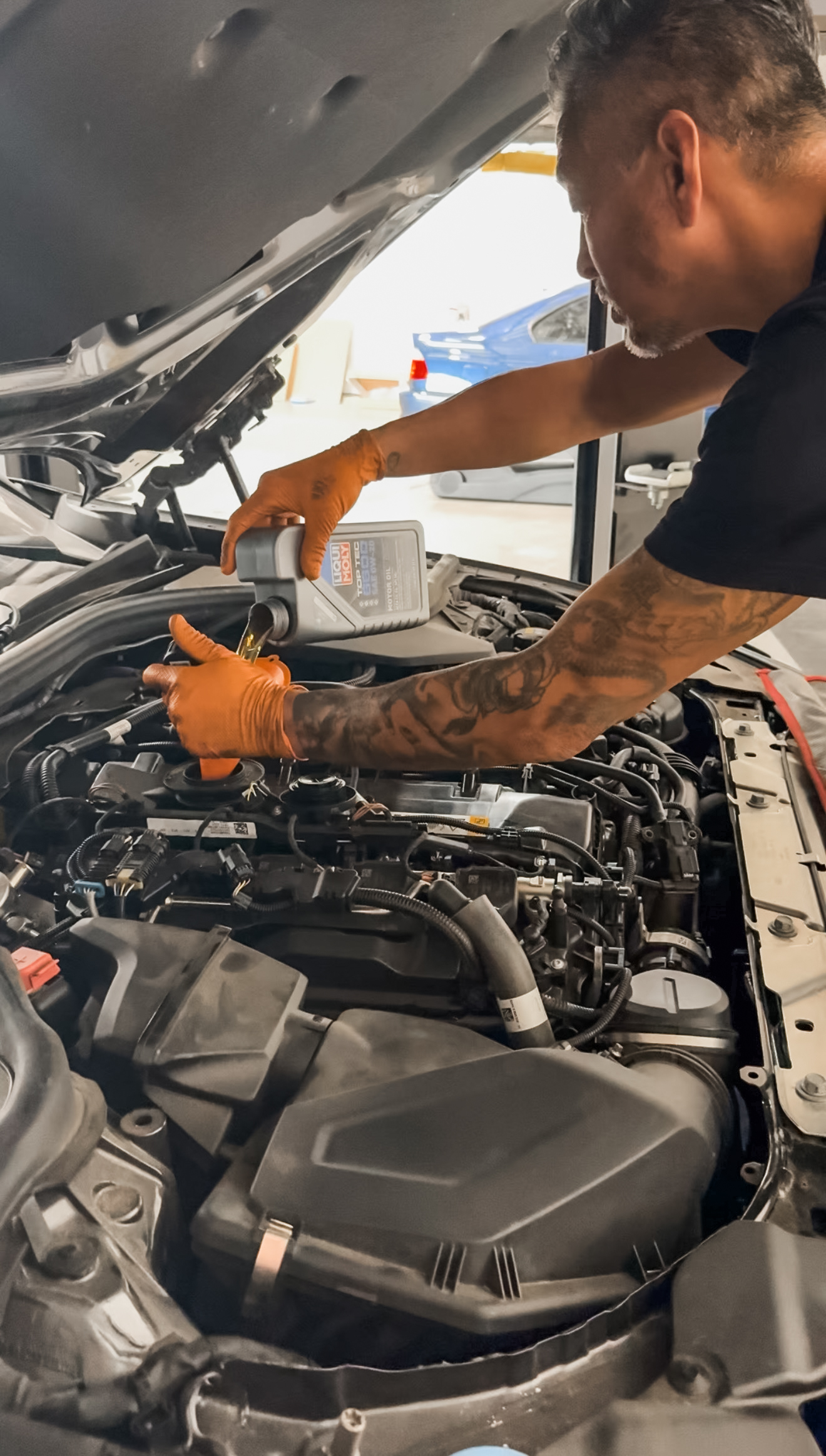
Why 5,000-Mile Oil Changes Protect Your BMW
Oil Change, BMW Maintenance, Engine Protection, Synthetic Oil, Oil Change Interval, Vehicle Longevity
Why We Don't Follow the 10,000-Mile Oil Change Recommendation (And You Shouldn't Either)
Many modern vehicles, including BMWs, proudly advertise 10,000-mile or even longer oil change intervals. On paper, it sounds convenient and cost-effective. In reality, it can quietly shorten your engine’s life. Here’s why we ignore the 10,000-mile recommendation in our own cars and why a 5,000-mile oil change cycle is one of the smartest investments you can make in long-term engine protection and vehicle longevity.
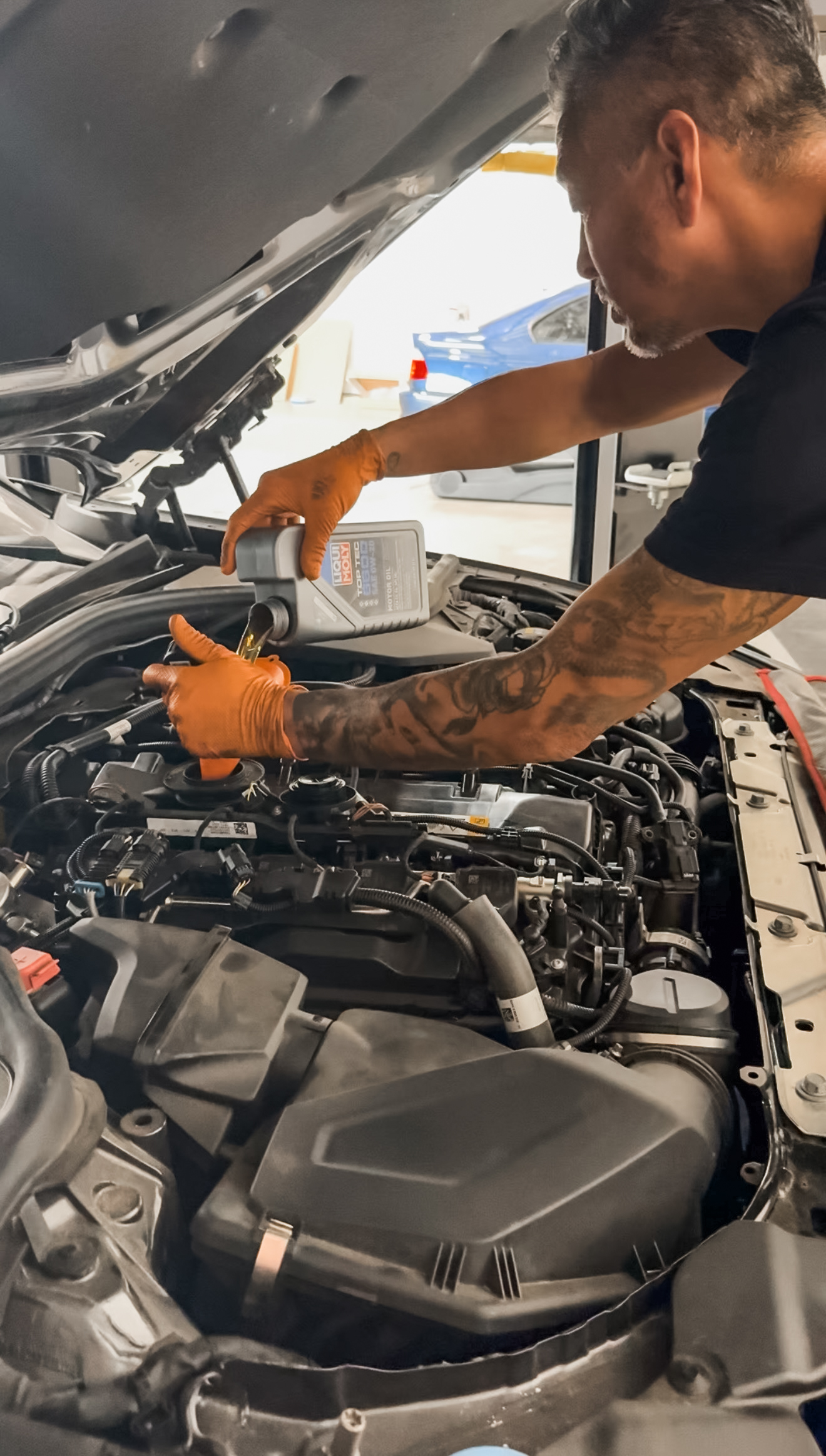
Why Manufacturers Push 10,000-Mile Oil Change Intervals
When you read your owner’s manual or BMW maintenance guide, the long oil change interval sounds reassuring. Manufacturers aren’t careless; they base these numbers on controlled testing. But there are three big reasons they can afford to be aggressive with their oil change recommendations and none of them are about maximizing engine life over 15+ years.
Warranty window, not lifetime: Manufacturers only need the engine to survive the warranty period with minimal issues. A 10,000-mile oil change interval usually does that, even if it’s not ideal for 150,000+ miles of use.
Marketing and cost of ownership: Fewer oil changes look great in brochures and online ads. “Low maintenance” and “reduced service visits” help sell cars and make ownership seem cheaper on paper.
High-quality synthetic oil—within limits: Modern synthetic oil is far better than the conventional oils of the past. It resists breakdown longer, supports turbocharged engines, and handles high temperatures well. But even the best synthetic oil doesn’t last forever in real-world driving.
So yes, a 10,000-mile oil change interval is technically “safe” under ideal conditions: steady highway driving, mild climate, and a brand-new engine. The problem is that most drivers don’t live in that perfect test environment.
The Hidden Problems with Extended Oil Change Intervals in Modern Engines
Modern engines, especially BMW engines, are engineering masterpieces, but they are also harder on oil than ever before. Direct injection, turbocharging, higher compression, and tighter tolerances all put enormous stress on even premium synthetic oil. Stretching an oil change to 10,000 miles means asking that oil to keep protecting your engine long after it has started to degrade.
Oil breakdown and thinning: Heat, fuel dilution, and moisture slowly break down oil. By the time you reach 8,000–10,000 miles, viscosity can drop, additives are depleted, and the oil’s ability to prevent wear is reduced, especially during cold starts when protection matters most.
Sludge and deposits in tight spaces: Extended intervals allow more contaminants to build up. Direct-injection and turbocharged engines are prone to carbon deposits and sludge, which can clog tiny oil passages, affect variable valve timing, and cause noisy lifters or timing chain wear.
Real-world “severe” driving conditions: Short trips, stop-and-go traffic, idling, hot summers, and cold winters all count as severe use. Many BMW owners experience at least one of these daily. Under severe conditions, a 10,000-mile oil change interval is simply too long for reliable engine protection.
Turbocharger stress: Turbos spin at incredibly high speeds and temperatures. They depend on clean, healthy synthetic oil for lubrication and cooling. Letting oil run to 10,000 miles increases the risk of varnish, coking, and premature turbo wear—repairs that can cost far more than a few extra oil changes.
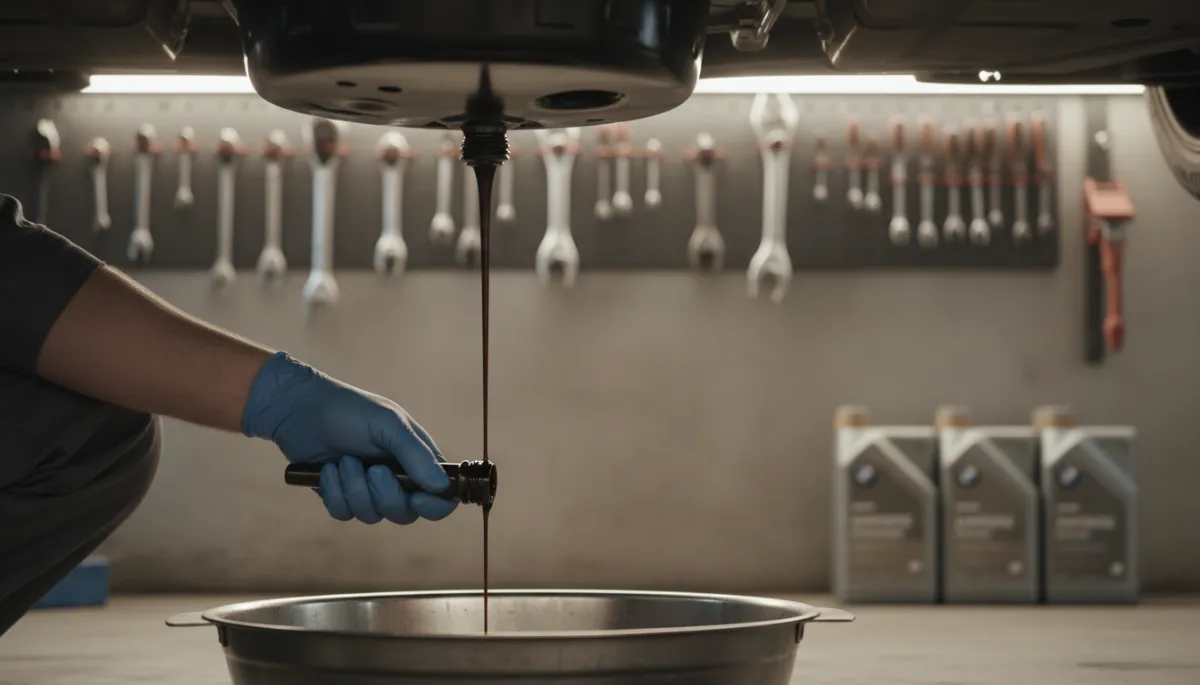
Dirty oil at long intervals often reveals how hard modern engines work.
Over time, these issues don’t usually cause a sudden breakdown; instead, they quietly reduce engine efficiency, increase oil consumption, and shave years off your vehicle’s potential lifespan. If you plan to keep your BMW, or any vehicle, for the long haul, that’s a real concern.
📌 Key Takeaway: Extended oil change intervals protect manufacturer statistics and marketing claims, but they don’t necessarily protect your engine over 150,000+ miles of real-world driving.
Why We Recommend a 5,000-Mile Oil Change Interval Instead
We choose to treat oil changes as inexpensive insurance, not a bare-minimum requirement. For most daily-driven vehicles, especially performance-oriented brands like BMW, a 5,000-mile oil change interval using high-quality synthetic oil strikes the ideal balance between convenience, cost, and engine protection.
Stronger engine protection: Fresh synthetic oil maintains proper viscosity, detergents, and anti-wear additives. Changing it every 5,000 miles means your engine spends far less time running on “tired” oil that’s lost its protective edge.
Cleaner internals and fewer deposits: Shorter oil change intervals help prevent sludge, varnish, and carbon buildup. That keeps critical components—like variable valve timing systems, timing chains, and turbochargers—working smoothly for longer.
Better long-term vehicle longevity: If your goal is to drive your car well past 100,000 miles without major engine repairs, a 5,000-mile oil change cycle is a small, predictable investment that pays off in reliability and resale value.
Real-world driving, not lab conditions: This interval accounts for stop-and-go traffic, short commutes, temperature swings, and spirited driving—all of which are common for BMW owners and city drivers alike.
💡 Pro Tip: Pair a 5,000-mile oil change with regular inspections—fluids, filters, and tire condition—to catch small issues before they become expensive repairs.
The Bottom Line: Choose Longevity Over Convenience
There’s no question that modern synthetic oil and advanced engine design have made it possible to stretch oil change intervals on paper. But if you care about engine protection and want your BMW, or any vehicle, to deliver smooth, reliable performance for years, the 10,000-mile recommendation simply asks too much of your oil and your engine.
A 5,000-mile oil change interval is a practical, proven way to support vehicle longevity, reduce the risk of costly engine repairs, and keep your car feeling tight, responsive, and dependable. We don’t follow the 10,000-mile rule in our own garages and if you’re serious about protecting your investment, you shouldn’t either.